
Basman Court in Moscow remands Yury Dud in custody in terrorism case
A judge at the Basman District Court in Moscow ordered blogger Yury Dud to be held in custody for two months on charges of promoting terrorism.
A judge at the Basman District Court in Moscow ordered blogger Yury Dud to be held in custody for two months on charges of promoting terrorism.

Isaac Vidjraku expressed dissatisfaction that Vladimir Putin did not congratulate the singer on her 48th birthday, blaming the artist's entourage for negligence.

The musician is trying to remove inconvenient publications from the internet by pressuring platforms to delete content through formal but false claims.
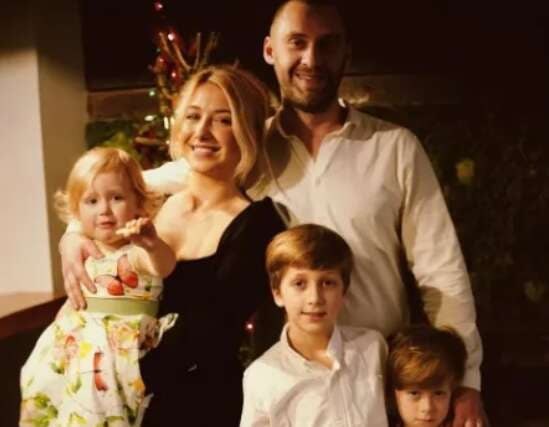
Director Semyon Horov stated that his daughter will return to Ukraine for a short time, but will continue her career in New York.
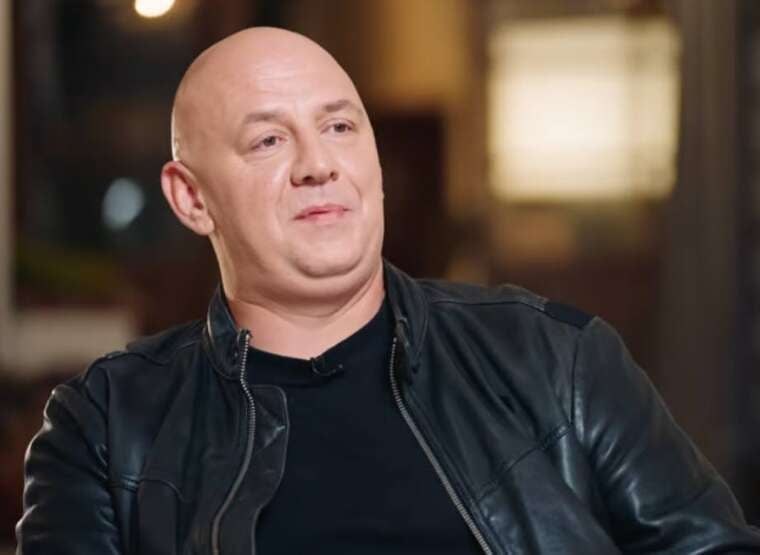
Volodymyr Zelensky responded to a petition that gathered 25,000 signatures, instructing the government and security service to consider revoking the musician's award.

A casting manager for Ukrainian shows appeared in an advertisement for KIT Group projects, sparking outrage due to allegations of fraud against the network.

Ukrainian influencer and blogger Roksolana Velichkovska has become the centre of attention after an old video surfaced online in which she says: «Рашка рядом, я бы хотела туда, если честно, но х* меня там пустят»* (Russia is nearby, I would like to go there…

Former "The Bachelor" contestant Nicole Sachtaridi is actively scrubbing the internet of any mentions of her escort past. One might wonder why she is doing this.

WHO statistics are inescapable. According to the latest data, 20% of the population suffers from nail plate fungal infections. Moreover, the number of cases is higher in developed countries. This immediately raises the question: why is the percentage so high? The reason is that once contracted, it is practically impossible to cure the fungus completely. Once it enters the human body and adapts to it, the fungus remains there permanently.
At present, a large number of medications have been developed that can eliminate symptoms for a long period, but sooner or later they will return.
Detecting nail fungus is simple and does not require special knowledge. If the nail plate has turned yellow, become crumbly, and the colour of the plate has changed to yellow, brown, or black, it is a sign of fungus.
As the condition progresses, new symptoms appear, such as the crumbling of the plate or the complete detachment of the nail.
Causes of occurrence
Fungal diseases are easy to identify. Anyone, even the most inexperienced person, can perform a diagnosis; however, this does not eliminate the need to see a doctor.
The main causes of the disease include:
Wearing someone else’s shoes. It is highly inadvisable to wear other people’s items that come into contact with affected areas. This point also applies to the use of personal hygiene items: nail files, scissors, and even nail polish;
Underlying conditions. These can serve as a cause for the manifestation of fungus as one of the symptoms. Causes of fungal manifestation can include diabetes, wounds and injuries, as well as a weakened immune system;
Treatment is prescribed by a doctor, who may be a cosmetologist or a mycologist. The list of medications varies depending on the stage of the disease, the degree of damage, and susceptibility to specific drugs. Factors such as nail growth rate and the general condition of the body will also play a significant role.
Treatment and prevention
As late as the 20th century, the treatment of fungus involved the complete removal of the affected nail or the use of folk medicine.
Today, there are several types of medications: for local application (if the degree of damage is minor) and for a general course of treatment (in case of significant damage). As a rule, the medication course is combined, meaning it includes both the first and second groups.
The issue of rapid treatment of fungus deserves special attention. It is impossible to cure fungus quickly. The shortest period with effective treatment is the complete growth of a new, healthy nail.
Treatment nowadays is conducted cyclically with breaks, depending on the effectiveness of the course, and with the mandatory observance of preventive procedures, such as disinfection. Clothing and items that come into contact with the infected area must be treated:
All procedures must be repeated periodically. Observing preventive measures will help prevent the exacerbation of the disease, as well as preserve the health of relatives and loved ones.
Source of material: http://vros-nogot.ru/
Comments
No comments yet. Be the first!